
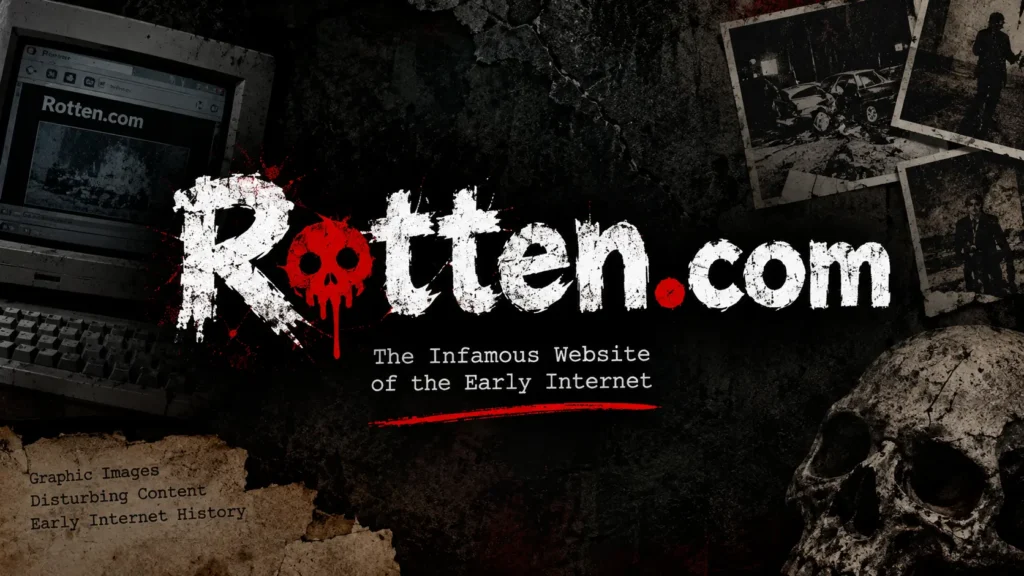

The early internet was very different from the web people use today. Before social media, modern content platforms, and highly structured websites became common, many independent websites developed unusual themes and attracted attention through distinctive content. Rotten.com became one of the better-known examples of this era.
The website developed a reputation for controversial and disturbing material, making it a notable part of discussions about early internet culture. This guide looks at the history and general nature of the site while providing context about its place in the development of online content.
What Was Rotten.com?
Rotten.com was an early website that became known for publishing graphic and controversial imagery, unusual stories, and material that mainstream websites generally avoided.
Rather than following the style of conventional news or entertainment websites, the site focused on material intended to shock, surprise, or provoke curiosity. This approach helped it attract attention during a period when the internet was becoming accessible to a much larger audience.
People searching for rotten .com may therefore encounter references to the site in discussions about early web culture, internet history, and controversial online content.
The Rise of the Rotten Website
The rotten website emerged during the early development of the public internet, when independent websites had considerable freedom to experiment with unusual formats and themes.
During this period, websites were often created around specific interests rather than being part of large media organizations. Rotten.com followed this independent-web model and developed a distinctive identity.
Its content and presentation attracted both curiosity and criticism. For some internet users, the website represented the less-regulated side of the early web, while others viewed it as an example of controversial online publishing.
Content and Presentation
Rotten.com became particularly associated with graphic photographs and disturbing subject matter. Some of its material involved accidents, death, crime, historical events, and other subjects that many people would find upsetting.
Because of this, the website was not intended for every audience. Visitors exploring archived references to the site should be aware that descriptions or preserved material may contain disturbing themes.
The site’s approach was different from traditional journalism. Instead of presenting information through a conventional news structure, it often emphasized unusual or shocking material.
Rotten.com and Early Internet Culture
The history of rotten com is closely connected to the culture of the early web. At the time, online communities were still developing their standards around moderation, content warnings, privacy, and acceptable material.
Websites could gain significant attention simply by publishing material that was difficult to find elsewhere. This created a new environment where curiosity, controversy, and independent publishing could attract large audiences.
Rotten.com became part of that broader internet culture and is frequently referenced when people discuss the evolution of controversial online content.
Why Did Rotten.com Become Well Known?
The site’s notoriety was largely connected to its unusual content. Mainstream newspapers and television networks generally had editorial standards that limited the publication of extremely graphic imagery.
The internet offered a different environment. Independent sites could publish material that traditional media outlets might exclude or heavily restrict.
For users interested in internet history, Rotten.com can therefore be viewed as an example of how early websites experimented with content outside conventional media boundaries.
Content Considerations
Anyone researching the rotten website should understand that historical references to the site may involve disturbing material. Images or descriptions connected with death, serious injuries, crime, or accidents can be emotionally difficult for some viewers.
Researchers should approach archived material carefully and avoid opening unknown links simply because they appear in old references or discussions.
For general research, historical articles and internet-culture discussions can provide background without requiring direct exposure to graphic material.
Rotten.com as an Internet History Topic
Today, the story of Rotten.com is relevant not only because of its content but also because it provides an example of how online publishing developed.
The internet has changed considerably since the site’s early years. Modern platforms often use content policies, moderation systems, age restrictions, warning labels, and automated detection technologies.
Looking back at early websites such as Rotten.com helps demonstrate how different the online environment was before these systems became widespread.
Final Thoughts
Rotten.com occupies a distinctive place in the history of the early internet. Its controversial content and independent publishing style helped make it a recognizable example of the web’s less-regulated early period.
People researching rotten .com, rotten com, or the rotten website should consider its historical context as well as the nature of its content. While the website is often discussed because of its graphic and controversial material, it can also be examined as part of the broader story of how online publishing, internet culture, and content moderation evolved over time.
Read Also : SwissWatches.com Guide: Luxury Watches & Style
For anyone studying internet history, Rotten.com provides an example of how independent websites could attract significant attention by presenting material that was rarely available through traditional media.